Sleep is good for you
Summary
- Sleep is beneficial for us mentally, physically and in many other ways. It pays to protect having good quality sleep
Details
- Sleep results in the following proved benefits:
- Better moods
- healthy heart
- better control of blood sugar
- mental function
- better immune system
- stress relief
- better weight control
- We dont know the exact mechanism of sleep, but we do know teh benefits
- Chronic lack of sleep can lead to stress, depression and irritability
- Less than 7hrs of sleep a night results in increased risk for Type 2 diabetes
References
- Sleep foundation article
- The Antidote - Happiness for people who cant stand positive thinking - Oliver Burkeman
Related
Adults who get less than seven hours of sleep at night are at increased risk for Type 2 diabetes. Without enough sleep, the body’s resistance to insulin increases because cells are not able to use insulin appropriately, which leads to too much sugar in the bloodstream.
Sleep is believed to help with memory and cognitive thinking. Brain plasticity theory, a major theory on why humans sleep, posits that sleep is necessary so the brain can grow, reorganize, restructure, and make new neural connections . These connections in the brain help individuals learn new information and form memories during sleep. In other words, a good night’s sleep can lead to better problem-solving and decision-making skills.
A lack of sleep can have a negative impact on the ability to think clearly, form memories, learn well, and function optimally during the day. The ability to think quickly slows down after only a week of insufficient sleep . Accuracy on tasks also decreases after a week of getting five hours of sleep or less each night. Sleep-deprived people perform poorly in activities that require quick responses and attention to multiple tasks, such as driving.
Insufficient sleep also impacts judgment. Less than five hours of sleep at night is correlated with riskier behavior. A sleep-deprived person is at higher risk of making poor decisions because they only have the ability to focus on a desired outcome, not the consequences.
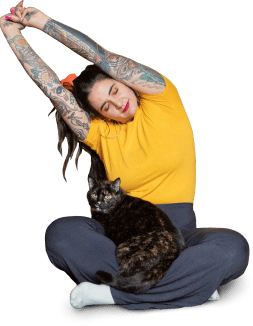
Restorative theories of sleep suggest that sleep restores and repairs the body, making people feel refreshed in the morning. During sleep, the body produces growth hormones necessary for development in children and adolescents. These growth hormones also repair tissues and cells in people of all ages. The body also produces cytokines during sleep, which support the immune system in fighting infections .
Inadequate sleep can impact the body’s immune response to infection. Chronic sleep loss can make individuals more susceptible to common infections, such as a cold, while insufficient sleep over time can lead to a greater risk for immunodeficiency.
Getting appropriate sleep each night can help manage stress . When people wake up refreshed, they avoid the stressors that come with functioning while sleep-deprived, such as poor performance, difficulty thinking clearly, and lack of energy. Quality sleep can also reduce anxiety, depression, and other mental health strains related to stress.
Sleep is a key element of athletic recovery , and the body’s production of growth hormones is highest during sleep. These growth hormones are necessary for the repair of tissue and likely contribute to muscle growth. Most athletes require eight hours of sleep each night for restoration and to avoid overtraining and improve their performance.
Without sleep, athletes are at risk for lowered performance, fatigue, and changes in mood. Performing with less sleep also heightens the risk for injury . The potential for injury rises even more when an athlete’s sleep time decreases and time spent training increases.
Maintaining Healthy Weight
Quality sleep, in addition to exercise, stress management, and healthy eating choices, is an important part of maintaining a healthy weight. During sleep, the body naturally produces more of an appetite suppressor, called leptin, while reducing production of the appetite stimulant ghrelin. On nights of too-little sleep, however, production of ghrelin increases and leptin decreases. As a result, a lack of sleep can lead to a greater feeling of hunger.
To get better sleep, and the many health benefits that come along with it, we take a look at the healthy practices around sleep, known as sleep hygiene. A number of lifestyle adjustments can help improve sleep quality.
Create a Consistent Sleep Schedule
A regular sleep and wake routine helps the body keep a consistent internal clock . Sleep experts recommend going to bed and getting up at the same time each day, including weekends.
Some adults like to nap during the day to avoid sleepiness. Keeping naps to about 20 minutes lessens fatigue without impacting sleep schedules. Naps that are too long can reduce alertness and defeat the purpose of napping. Individuals who choose to nap should avoid napping too late in the afternoon so that they can still fall asleep at their usual bedtime.
Make a Quality Sleep Environment
Although individual preferences may vary, most people sleep best in a dark, quiet, and cool bedroom. Too much light or noise at night can keep people awake or interrupt sleep. An eye mask or blackout curtains can eliminate unwanted light, and earplugs and noise machines can reduce distracting noises. Additionally, a fan can cool the room and serve as a noise machine.
Replacing old, worn, or uncomfortable mattresses and pillows with new and supportive ones can help improve sleep quality. The best mattresses and pillows for sleep depend on an individual’s preferred sleep positions and physical needs.
Avoid Caffeine, Nicotine, and Alcohol Before Bedtime
Caffeine is a stimulant that provides a boost of energy and alertness. When taken in the afternoon or evening, caffeine can make it difficult to fall asleep at night. The use of nicotine, found in cigarettes, in the evening is associated with more time spent awake at night. While some people drink alcohol before bedtime intending to get to sleep faster, alcohol is associated with lighter, lower quality sleep.
Exercise During the Day
Daytime exercise can make it easier to fall asleep , and daily exercise is associated with better sleep quality. Exercise may also help individuals fall asleep faster and increase the overall time spent sleeping. It can be beneficial to exercise outside, as sunlight exposure during the day also improves sleep. People should avoid exercising too late in the day so that their bodies can relax before bedtime.
Avoid Screens Before Bedtime
Setting electronic devices aside at least 30 minutes before bedtime can make it easier to fall asleep. Phones, tablets, computers, and other electronics with screens emit blue light, which can disrupt the body’s natural production of the sleep hormone melatonin and make it difficult to fall asleep.
Instead, sleep experts advise developing a relaxing routine in the hour before bedtime. During this period of winding down, choose a restful activity such as reading or taking a warm bath.
Talk to a Doctor About Sleep
Those concerned about their sleep quality should consult with a health care provider. It may be helpful to keep a sleep diary to record sleep experiences and other symptoms. Discussing these symptoms with a doctor can identify potential causes for insufficient or interrupted sleep. Doctors can also talk through personalized strategies for improving sleep and refer individuals for additional testing as necessary.
Thanks for the feedback - we're glad you found our work instructive!
If you're ready for more, sign up to receive our email newsletter!
Your privacy is important to us.
Thanks for the feedback - we're glad you found our work instructive!
Submitting your Answer...

Written By
Jay Summer, Staff Writer
Jay Summer is a health content writer and editor. She holds a B.S. in psychology and master's degrees in writing and public policy.
Learn more about our Editorial Team
References
14 Sources
-
Cirelli, C. (2022, March 13). Insufficient sleep: Definition, epidemiology, and adverse outcomes. In R. Benca (Ed.). UpToDate., Retrieved April 5, 2022, from
https://www.uptodate.com/contents/insufficient-sleep-definition-epidemiology-and-adverse-outcomes
-
Blackwelder, A., Hoskins, M., & Huber, L. (2021). Effect of inadequate sleep on frequent mental distress. Preventing Chronic Disease, 18.
-
National Center for Chronic Disease Prevention and Health Promotion, Division for Heart Disease and Stroke Prevention. (2021, January 4). How does sleep affect your heart health? Centers for Disease Control and Prevention., Retrieved April 5, 2022, from
-
National Heart, Lung and Blood Institute. (2022, March 24). How sleep affects your health., Retrieved April 5, 2022, from
https://www.nhlbi.nih.gov/health/sleep-deprivation/health-effects
-
Centers for Disease Control and Prevention. (2020, December 10) Sleep for a good cause. Centers for Disease Control and Prevention., Retrieved April 5, 2022, from
-
Puderbaugh, M. and Emmady, P. D. (2022, February 8). Neuroplasticity. In StatPearls. StatPearls Publishing., Retrieved April 5, 2022, from
-
Bollu, P. C. (2019, November 5). Normal sleep, sleep physiology, and sleep deprivation. Medscape., Retrieved April 5, 2022, from
-
National Heart, Lung, and Blood Institute. (n.d.). How sleep works., Retrieved April 5, 2022, from
-
MedlinePlus: National Library of Medicine (US). (2016, August 9). Stress., Retrieved April 5, 2022, from
-
Halson, S. (2020, May 1). Overtraining syndrome in athletes. In F. G. O’Connor (Ed.). UpToDate., Retrieved April 5, 2022, from
https://www.uptodate.com/contents/overtraining-syndrome-in-athletes
11. Watson, A. M. (2017). Sleep and athletic performance. Current Sports Medicine Reports, 16(6), 413–418.
https://pubmed.ncbi.nlm.nih.gov/29135639/
12. Division of Nutrition, Physical Activity, and Obesity, National Center for Chronic Disease Prevention and Health Promotion. (2021, January 1). Healthy weight, nutrition, and physical activity. Centers for Disease Control and Prevention., Retrieved April 5, 2022, from
https://www.cdc.gov/healthyweight/index.html
13. National Heart, Lung and Blood Institute. (2022, March 24). Healthy sleep habits., Retrieved April 5, 2022, from
https://www.nhlbi.nih.gov/health/sleep-deprivation/healthy-sleep-habits
14. National Center for Chronic Disease Prevention and Health Promotion, Division of Population Health. (2016, July 15). Tips for better sleep. Centers for Disease Control and Prevention., Retrieved April 5, 2022, from
https://www.cdc.gov/sleep/about_sleep/sleep_hygiene.html
Learn More About How Sleep Works










[
Orexins
](https://www.sleepfoundation.org/sleep-aids/orexins)
By Rob Newsom April 29, 2022

Other Articles of Interest
Best Mattresses
Sleep Testing and Solutions
Bedroom Environment
Sleep Hygiene
Sleep Product Reviews
 Back
Back

We Are Here To Help You Sleep.
Tell us about your sleep by taking this brief quiz.
Based on your answers, we will calculate your free Sleep Foundation Score ™ and create a personalized sleep profile that includes sleep-improving products and education curated just for you.